

The Broken Job Market: How the System Fails Jobseekers and What We Can Do About It
The job market is broken, leaving jobseekers frustrated and unsupported. Learn how standardized CV distribution and feedback mechanisms can transform the hiring process for both candidates and companies.

Corner Radius
Just found this handy tidbit: in MAUI, the sequence “0,45,45,0” represents padding or margin values ordered as Top Left, Top Right, Bottom Left, and Bottom Right. If you’ve been digging through docs and Stack Overflow, breathe easy—you’ve found the answer here! 😄

Navigating the CPaaS Revolution: A Tutorial into its Evolution, Impact, and Future
Explore the transformative world of CPaaS in our in-depth article. Discover how CPaaS is revolutionizing business communication, its benefits, and why it’s essential for your business strategy.

New Year, New You: How to Achieve Personal Growth and Success
I’m frequently caught up in the daily grind of work and family obligations. As the new year begins, I am reminded of the importance of reflecting on my personal and professional goals and striving to be the best version of myself. In this article, I’ll discuss what that entails for me and how I intend

The Amazon Dad: How I Balance Work and Family Life
As an SDM at Amazon, I have witnessed the fast-paced and ever-changing world of technology and e-commerce. I’ve also had the honor of being a husband to a wonder woman and father to an amazing 6-year-old boy. As a working father, in a two-income home, I understand the difficulties of balancing work and family life,
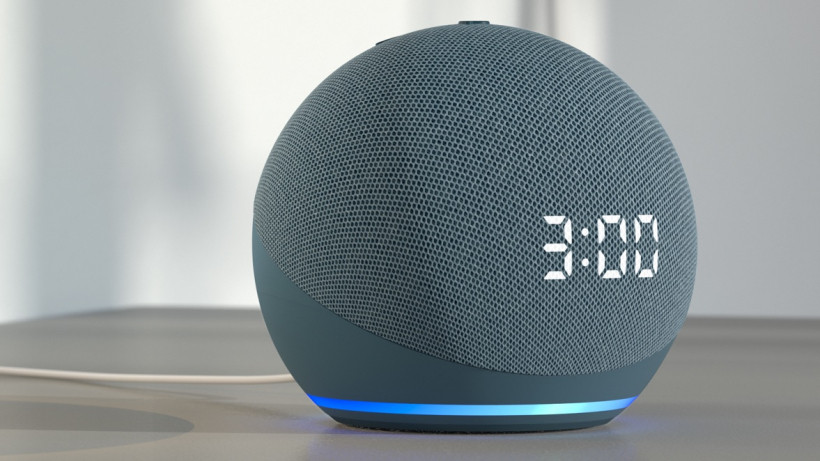
The Future of Ambient Assistants: How Alexa is Paving the Way for Seamless and Personalized Assistance
The article discusses how Amazon’s Alexa is leading the way in ambient assistance technology, with a focus on its ability to provide seamless and personalized assistance. It predicts a future where ambient assistants will become increasingly integrated into our daily lives, helping us with a wide range of tasks.
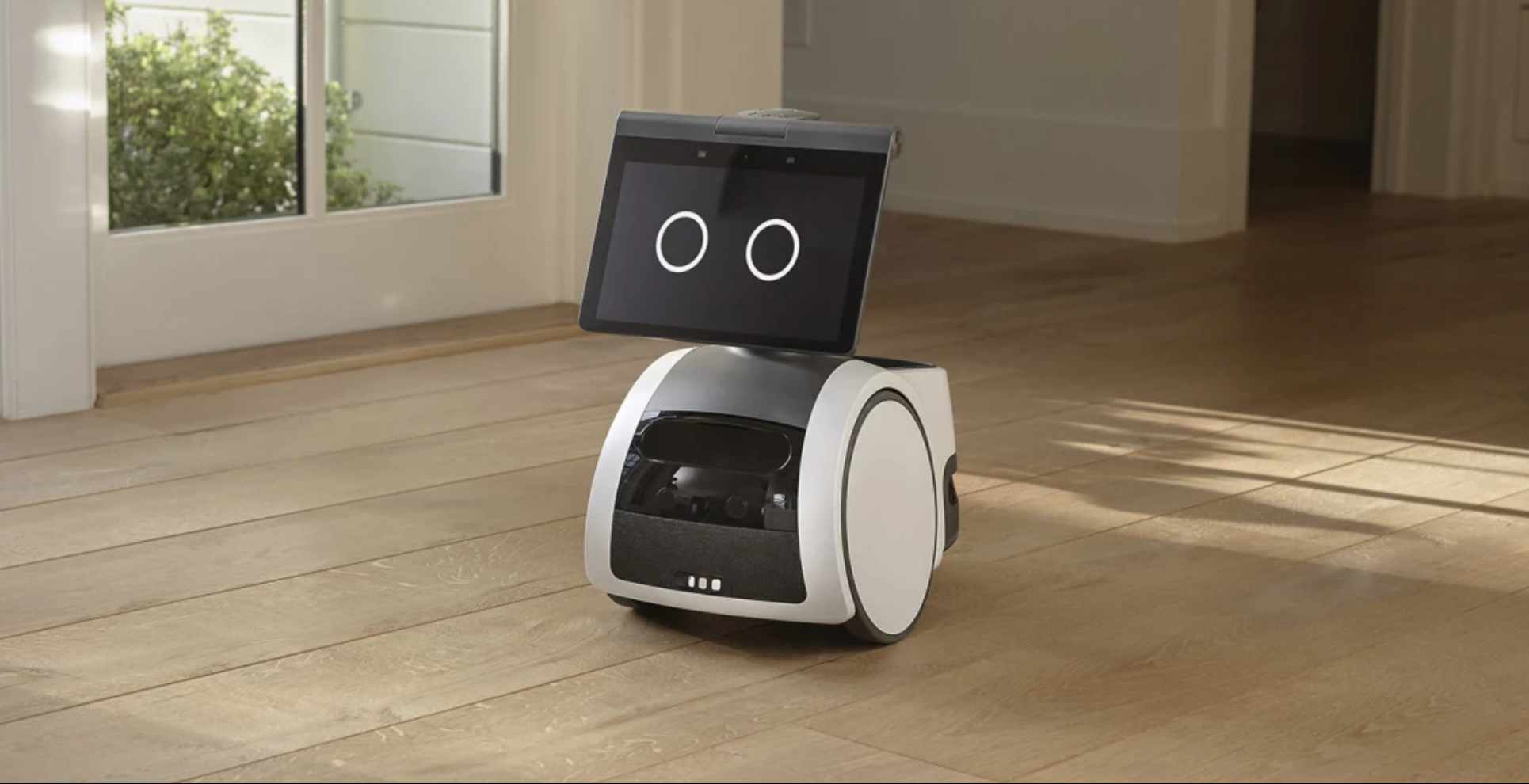
The Future of AI: Personal Assistants and Beyond
This article discusses the current and future state of personal assistants and artificial intelligence, including exciting developments in healthcare, customer service, and transportation. It also provides examples of how AI is being used in daily life through tools and platforms such as smart speakers, virtual assistants, and e-commerce.

The Role of Professionalism and Ethics in Building Trust and Credibility as a Software Engineer
In this tenth and final article in the series of Life Lessons of a Software Engineer, we explore the lesson of the importance of professionalism and ethics as a software engineer. It is critical as a software engineer to maintain a high level of professionalism and ethics in your work. Adhering to industry standards and

The Importance of Flexibility and Adaptability as a Software Engineer
In this ninth article, in the series of Life Lessons of a Software Engineer, we explore the lesson of the importance of flexibility and adaptability and how AI can be leveraged to support and enhance these qualities through the use of tools and platforms that automate tasks and provide real-time insights and analytics. As a

Elevating Your Professional Development: The Power of Feedback and Learning
In this eighth article in the series of Life Lessons of a Software Engineer, we explore the lesson of being open to feedback and willing to learn from others. Guidance on seeking out and accepting feedback from your peers and leadership, as well as being open to learning from them. For a professional to learn